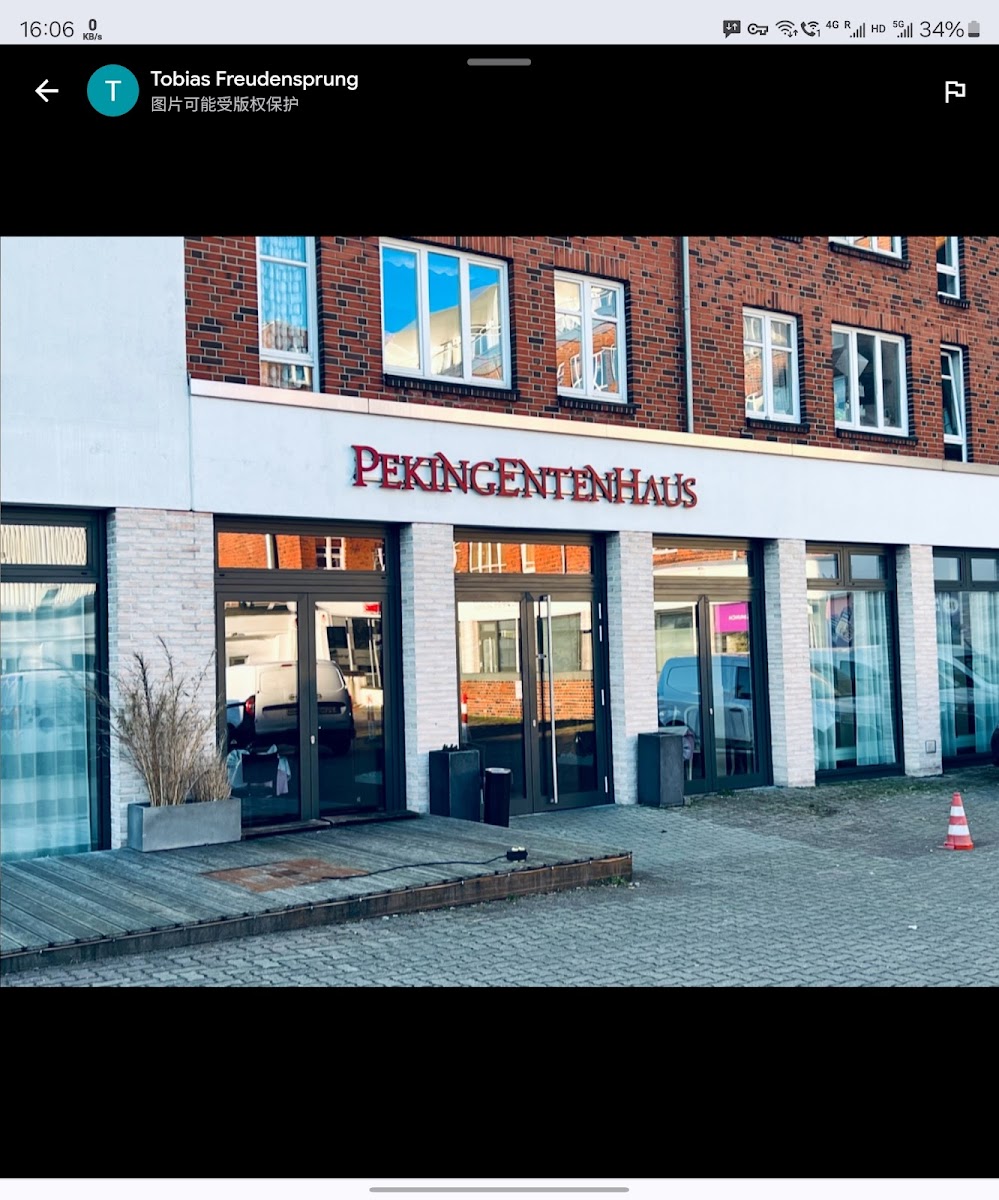
In a nutshell, the duck is great — the atmosphere and service missed the mark. You come here for the crispy skin and tender meat of a proper Peking Duck, once served to emperors and now, thankfully, to an average Joe in the city. The cooking is done in the kitchen, but the carving is performed right at your table, and watching the chef slice the duck with such precision is genuinely impressive. The rest of the food is fine, nothing more. The rice pancakes are a matter of preference, the dark sweet sauce is delicious but needs just a tiny touch so it doesn’t overpower the duck, and the accompanying sides are standard. Jasmine tea is nice, again nothing remarkable. If you come here, come for the duck — full stop. Where things shift is the atmosphere. The dining room feels empty and dated, with no real sense of mood or identity. And then there’s the service — an Italian waiter who is casual, loud, and completely out of sync with the dish he’s presenting. I wasn’t expecting ceremonial bows or theatrical Asian hospitality, but a royal recipe like Peking Duck deserves a hint of dignity. Still, I want people to try it because the duck itself is genuinely worth it — just ignore everything happening around you and focus on the plate. Practical note: there’s a big parking area right in front of the restaurant, which is always appreciated.
Overview
Walking into Peking Enten Haus at Laufgraben 18, 20146 Hamburg, Germany feels like stepping into a place that takes its craft seriously without taking itself too seriously. I’ve eaten Peking duck in Beijing, Berlin, and a handful of European Chinatowns, and this spot lands closer to the traditional end of the spectrum while still fitting comfortably into Hamburg’s relaxed dining scene. The dining room is modest, the tables are usually full, and the pace suggests a kitchen that’s focused on getting things right rather than rushing plates out the door.
The menu leans heavily into classic northern Chinese cooking, with Peking duck as the clear centerpiece. The duck is prepared using a time-tested method that involves air-drying the skin before roasting, a process documented by culinary historians and still practiced by long-established houses in Beijing. According to food research shared by the Chinese Cuisine Association, this drying step is essential for achieving crisp skin without overcooking the meat. Here, that technique shows in the final result: thin, crackly skin, tender meat, and a balance that doesn’t rely on heavy sauces to hide flaws.
One thing I appreciate is how the staff explains the process when asked. On my last visit, the server casually walked us through how the duck is roasted separately from other dishes to keep temperatures stable. That attention to detail matters. Studies published by food science departments at universities like Wageningen University highlight how temperature consistency during roasting directly affects fat rendering and texture. You can taste that knowledge on the plate, even if it’s never spelled out on the menu.
Beyond the duck, the menu offers a solid range of familiar dishes like handmade dumplings, stir-fried vegetables, and noodle soups that are clearly designed to complement the main attraction. Portions are generous, making it easy to share, which fits the traditional way Peking duck is meant to be eaten. Reviews from local diners often mention the pancakes served with the duck, and for good reason. They’re thin, warm, and flexible enough to wrap without tearing, which sounds simple but is surprisingly hard to get right.
I’ve brought both first-timers and Chinese-food regulars here, and the reactions are usually similar. Someone always comments on how the flavors feel authentic but approachable, and that’s probably the best way to describe the experience. It doesn’t chase trends or modern fusion ideas. Instead, it sticks to techniques that organizations like the Michelin Guide often praise for their consistency and respect for culinary heritage, even in casual dining rooms.
From a practical standpoint, the location near Hamburg’s university area makes it popular with students and professionals alike. That mix shows in the atmosphere: lively but not loud, busy without feeling chaotic. Service can slow down during peak hours, which is worth noting, but that’s often a sign the kitchen is working at capacity rather than cutting corners. If you’re in a hurry, this might not be the best choice, but if you’re there to enjoy the meal, the pace feels fair.
No restaurant is perfect, and it’s only honest to mention a few limitations. The menu doesn’t cater extensively to strict dietary preferences, and while vegetarian options exist, they aren’t the focus. Also, because the duck preparation takes time, walk-ins during busy evenings may need to wait. Still, the information provided by the staff is clear and consistent, and pricing is transparent, which builds trust.
For anyone browsing restaurant reviews and looking for a place that delivers on its promise without unnecessary hype, this diner holds its ground. It’s a spot where traditional methods, real-world culinary knowledge, and everyday dining comfort meet naturally, and that combination is harder to find than it sounds.
Good to know
Service options
✓ Takeaway ✓ Dine-in ✓ DeliveryPopular for
✓ Dinner ✓ Solo diningAccessibility
✓ Wheelchair-accessible car park ✓ Wheelchair-accessible entrance ✓ Wheelchair-accessible seatingOfferings
✓ Alcohol ✓ Beer ✓ Coffee ✓ Late-night food ✓ Spirits ✓ WineDining options
✓ Dinner ✓ Dessert ✓ Seating ✓ Table serviceAmenities
✓ ToiletAtmosphere
✓ Casual ✓ QuietCrowd
✓ Groups ✓ TouristsPlanning
✓ Dinner reservations recommended ✓ Accepts reservationsPayments
✓ Credit cards ✓ Debit cards ✓ NFC mobile paymentsChildren
✓ High chairsParking
✓ Free parking lot ✓ Paid parking lot ✓ Paid street parking ✓ ParkingPets
✓ Dogs allowed insidePhotos
Location
Reviews
As the name suggests, I went there to eat Peking Ente. Have been there already many years ago. Yes, there are also other meals on the menu, but don't know how they are. The meal was tasty as I remembered it. Really something special for me. The restaurant moved to a new place, close to the former one. Very bright and spacious now, with large windows. I had the feeling that the main staff was the same as earlier. They are distant and on the quiet side.
We have had Peking duck here once and I absolutely loved it. The food was amazing and there was certainly enough to fill every stomach size. The sauce that comes with the duck is great, the vegetables are crunchy, the pancakes are soft and smooth: I would definitely come here again.
The service was really good! Friendly chef and welcoming staffs :D the best Beijing duck I had in Germany! Would definitely visit again
Peking duck the traditional way. Food is good, service can be better.